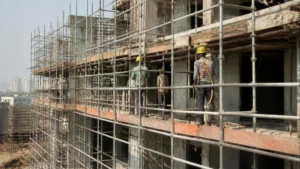
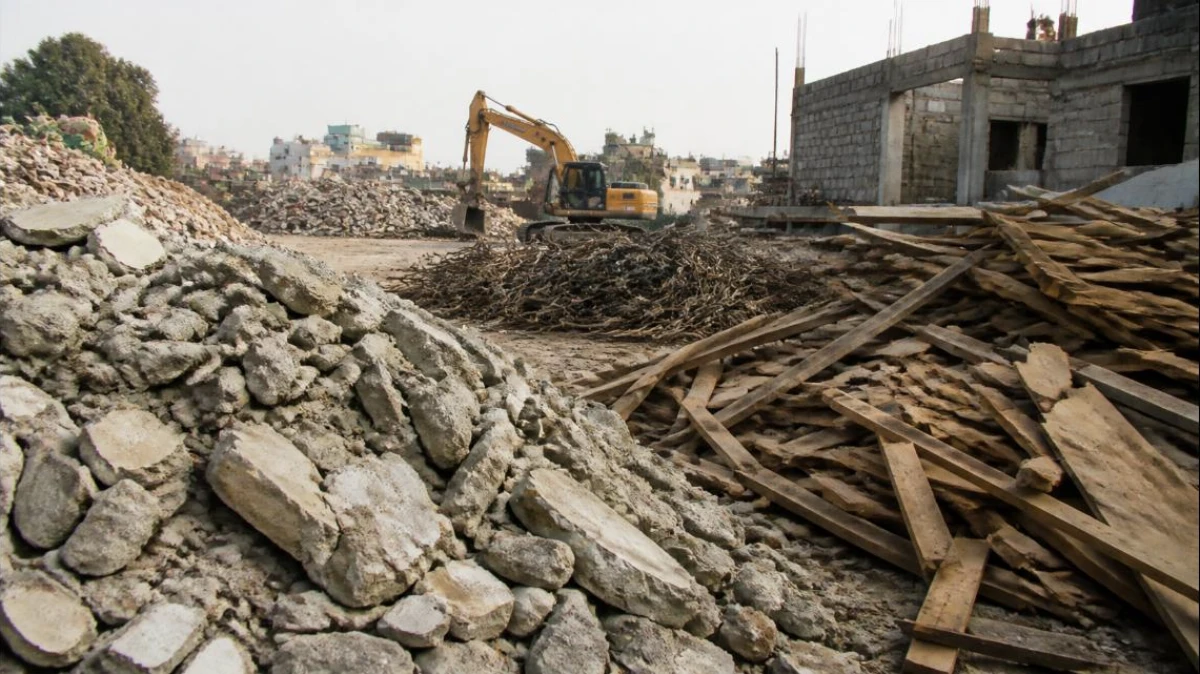
Every construction and demolition project produces waste: broken concrete, bricks, mortar, steel offcuts, wood, packaging and excavated soil. Handled carelessly, it blocks drains and roads and adds to cost. Handled well, a large part can be reused on site or recycled into aggregates and blocks.
1. The legal framework
The Construction and Demolition Waste Management Rules, 2016 make waste generators responsible for collecting, segregating and storing C&D waste on their premises and handing it over to authorised collection or processing facilities. Large generators are expected to plan waste management as part of the project and may need approval from the local body. Check your city’s specific requirements before starting work.
2. Plan before you build
- Estimate the type and quantity of waste from drawings and the BOQ.
- Choose methods that create less waste, such as accurate ordering, precast elements and modular formwork.
- Mark a waste storage area on the site plan with separate bays.
- Identify the nearest authorised C&D waste processing facility or collector.
3. Segregate at source
Keep separate heaps or skips for: concrete and masonry rubble; steel and metal; wood; plastics and packaging; excavated soil; and hazardous items such as paint tins, chemicals and asbestos sheets (which need special handling). Mixed waste is hard to recycle and costs more to remove.
4. Reuse on site
- Excavated soil for backfilling and landscaping, after checking its suitability.
- Crushed concrete and brickbats as sub-base for internal roads and plinth filling, where the engineer approves.
- Steel offcuts for small items like chairs and lifting hooks.
- Formwork timber and shuttering plates reused across floors.
5. Recycle and dispose responsibly
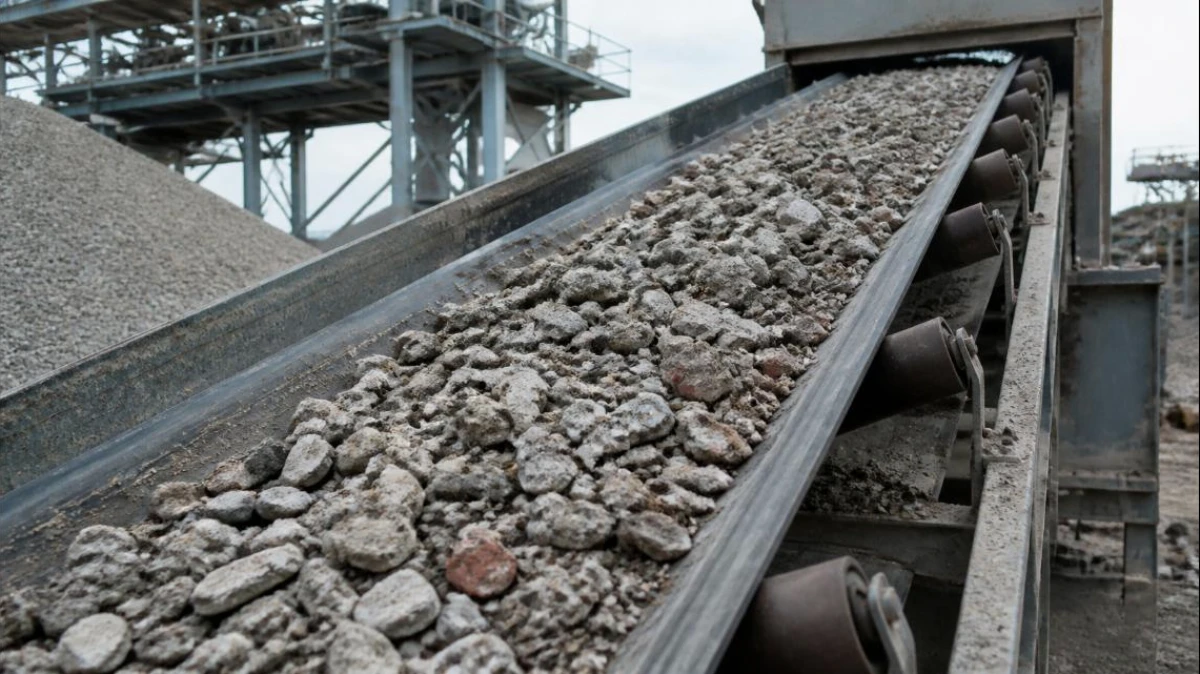
Processing plants crush C&D waste into recycled aggregates, sand and paver blocks. Indian standards now permit recycled aggregates in certain concrete applications, subject to quality testing. Keep records of every load sent out: date, quantity, vehicle and receiving facility.
6. Site practices that cut waste
- Store cement, sand and bricks properly to avoid damage; see our guide on M-sand vs river sand.
- Cut steel to an optimised bar bending schedule.
- Protect finished work to avoid rework.
- Cover stockpiles and wet roads to control dust.
Frequently asked questions
Can I dump construction debris on vacant land? No. Dumping on roads, drains or open land is not allowed and can attract penalties. Use authorised collection or processing facilities.
Is recycled aggregate safe? When produced at a proper plant and tested, it is suitable for many non-structural and some structural uses as permitted by the relevant standards and your engineer.
Who is responsible for waste on a contract job? Define it in the contract. Usually the contractor manages segregation and removal, and the owner checks records.
Related reading: Bill of Quantities guide and our rainwater harvesting structures guide.
Talk to ATTPL Infra
ATTPL Infra supports builders, institutions and businesses in Rajasthan with planning, execution and site supervision. Call our toll-free number 1800 890 0815 or visit infra.attplai.com to discuss your project.