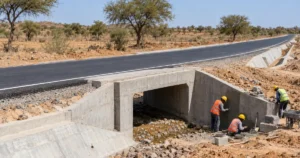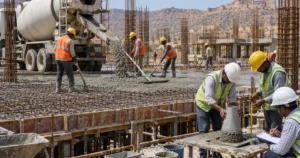
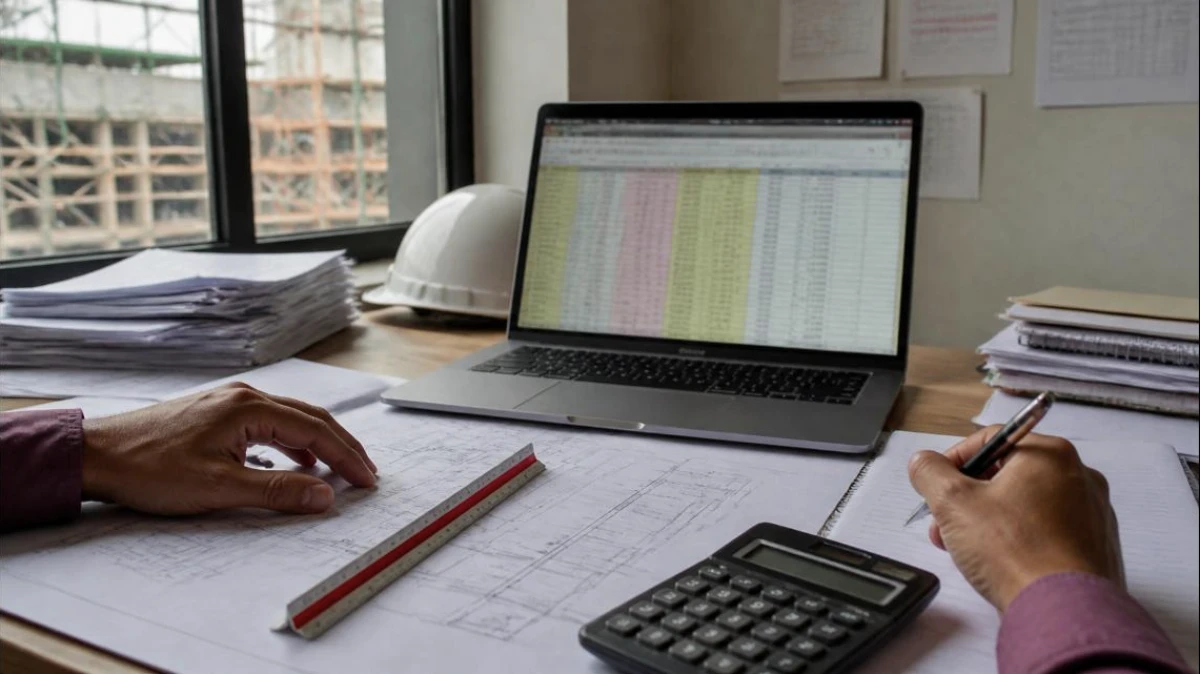
A Bill of Quantities (BOQ) is the document that turns drawings and specifications into a measured list of work items. Every item has a description, a unit, a quantity and, once priced, a rate and an amount. For a building owner, a good BOQ is the easiest way to compare contractors fairly. For a builder, it is the base for purchase planning, billing and cost control.
1. What a BOQ contains
- Item number and description: what is to be done, in which material, to which specification (for example, “M25 grade RCC in slabs including formwork, excluding reinforcement”).
- Unit: cubic metre for concrete and excavation, square metre for plaster and flooring, kilogram or tonne for steel, running metre for pipes, number for doors and fittings.
- Quantity: measured from the approved drawings.
- Rate and amount: filled in by the bidder; amount = quantity × rate.
- Preliminaries and provisional sums: site set-up, temporary works, testing, and allowances for items not yet designed.
2. How quantities are measured
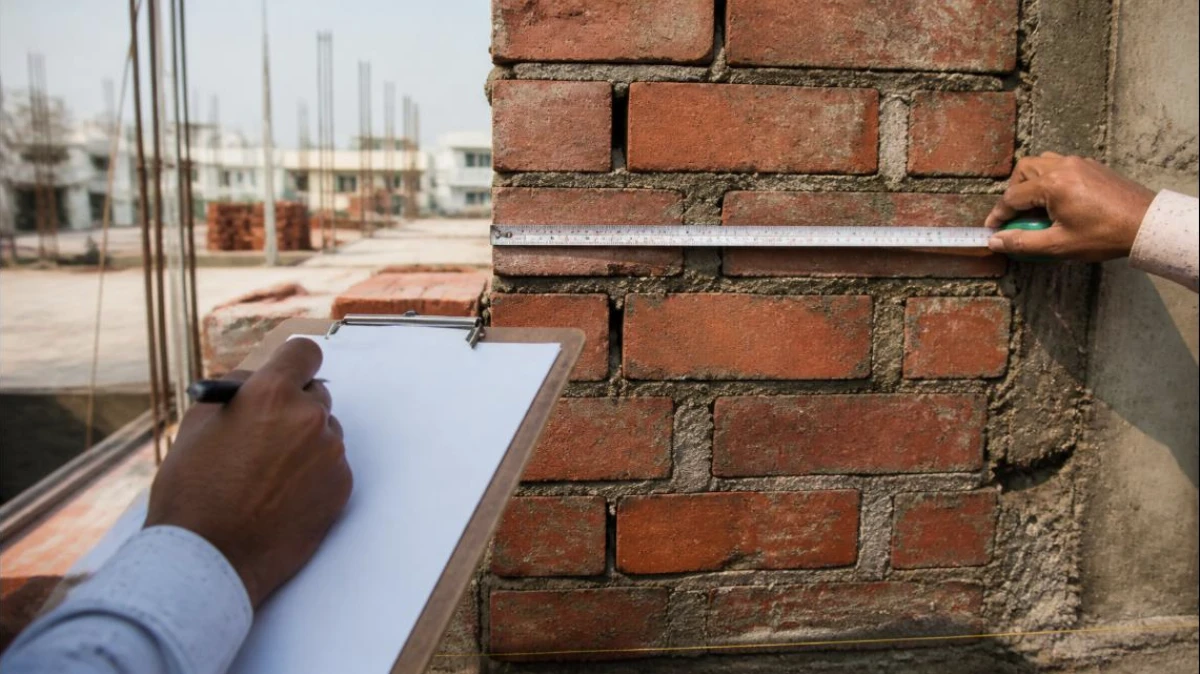
In India, building works are commonly measured as per IS 1200 (Method of Measurement of Building and Civil Engineering Works), which sets rules such as how openings are deducted from masonry and how plaster is measured. Public works departments also follow their own Schedule of Rates (SOR) item descriptions. Agreeing the measurement method at the start avoids disputes at billing time.
3. Step-by-step preparation
- Collect the final architectural, structural and services drawings and the specification.
- Break the work into trades: earthwork, concrete, steel, masonry, plaster, flooring, waterproofing, doors and windows, plumbing, electrical, finishes.
- Take off quantities trade by trade and record dimensions in a measurement sheet so they can be checked.
- Write clear item descriptions that state material grade, thickness and what is included.
- Add preliminaries, testing and provisional sums.
- Have a second engineer cross-check major items such as concrete, steel and masonry.
4. Using the BOQ to compare tenders
When every bidder prices the same BOQ, you compare like with like. Look beyond the total: check for unusually low rates on high-quantity items, missing items, and front-loaded rates on early activities. Ask bidders to clarify exclusions in writing before award. A related step is building a realistic timeline, explained in our construction project scheduling guide.
5. Controlling cost during construction
- Measure work done jointly with the contractor for every running bill.
- Track extra items and quantity variations separately, with written approval before work starts.
- Compare actual material consumption (cement, steel) with BOQ quantities to catch wastage early.
- Link quality checks to billing, for example cube test results before paying for concrete, as described in our concrete quality control checklist.
6. Common mistakes
- Vague descriptions such as “plaster work” without thickness, mix or finish.
- Preparing the BOQ from incomplete drawings and then facing many variations.
- Leaving out temporary works, curing, testing or site safety items.
- No provision for price escalation on long projects.
Frequently asked questions
Is a BOQ the same as an estimate? No. An estimate gives an expected cost for budgeting. A BOQ is the measured list that contractors price and that later becomes the basis for billing.
Who prepares the BOQ? Usually a quantity surveyor or the consultant engineer working for the owner, based on the final drawings.
Can the BOQ change after award? Quantities can vary as the work is measured on site. Rates for agreed items normally stay fixed; new items need fresh rates agreed in writing.
Material quality also matters for cost; see our guide to cement types OPC, PPC and PSC.
Talk to ATTPL Infra
ATTPL Infra supports builders, institutions and businesses in Rajasthan with planning, execution and site supervision. Call our toll-free number 1800 890 0815 or visit infra.attplai.com to discuss your project.