Almost every building develops cracks at some stage. Many are cosmetic, caused by shrinkage of plaster or temperature changes. Some, however, signal foundation movement, overloading or corrosion. Knowing the difference helps owners avoid both panic and dangerous neglect.
1. Common causes
- Shrinkage: fine hairline cracks in fresh plaster or concrete as it dries.
- Thermal movement: cracks at roof level and junctions due to daily and seasonal temperature swings — common in Rajasthan’s climate.
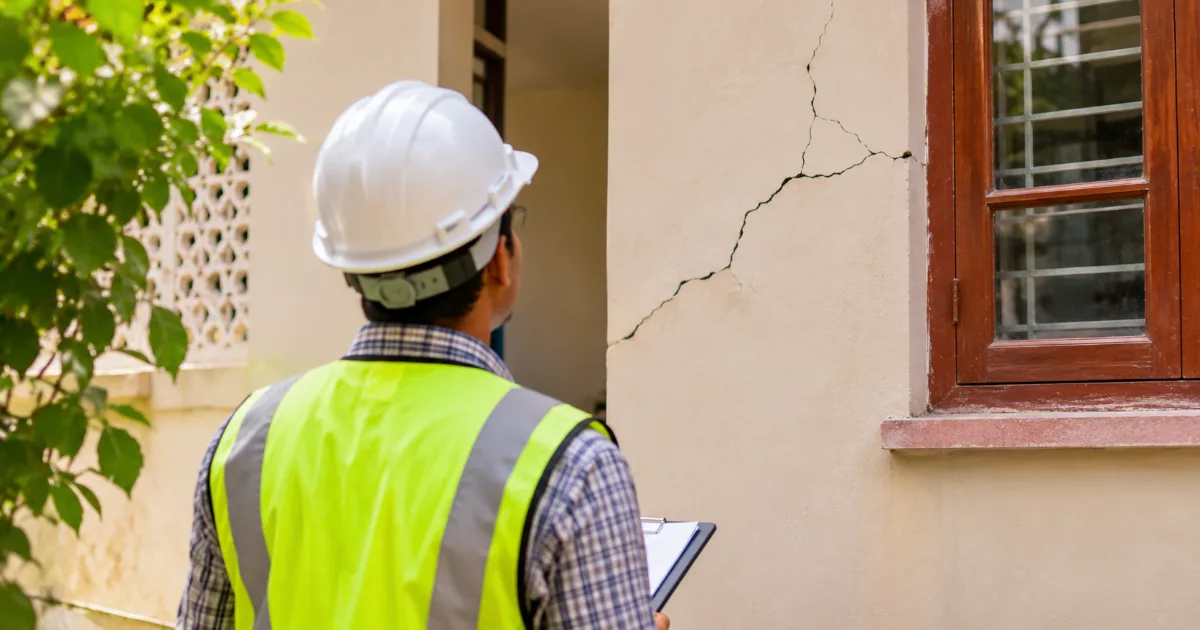
- Differential settlement: diagonal cracks near doors and windows when parts of the foundation settle unevenly.
- Corrosion of reinforcement: cracks along beams or columns, often with rust stains and spalling.
- Overloading or alterations: new floors, tanks or removed walls.
2. When to worry
Seek a structural engineer if cracks are wider than about 3 mm, keep widening, run diagonally through walls, appear in beams, columns or slabs, or come with doors and windows that start jamming.

3. Monitor before repairing
Mark the ends of the crack with a date, photograph it with a scale, or fix simple tell-tale gauges across it. If it does not grow over a few months, it is likely dormant and can be repaired cosmetically.
4. Choose the right repair
- Hairline plaster cracks: flexible crack fillers and repainting.
- Dormant wider cracks: cut a groove and fill with polymer-modified repair mortar.
- Structural cracks in concrete: epoxy or other injection systems as specified by the engineer.
- Corrosion cracks: remove damaged concrete, treat steel, then restore cover with repair mortar.
Fix the cause — drainage, waterproofing or foundation issues — or the crack will return.
5. Get expert advice
For older buildings, a full structural audit may be needed. Good foundations start with soil testing, and ongoing upkeep is easier with an annual maintenance contract. Contact ATTPL for inspection and repair support.
Frequently asked questions
Are hairline cracks in plaster dangerous?
Usually not. They are often caused by shrinkage or temperature changes, but monitor them for growth.
What crack width needs an engineer?
As a rule of thumb, cracks wider than about 3 mm, growing cracks or cracks in structural members need expert assessment.
Can cracks be repaired permanently?
Yes, if the underlying cause is addressed and the right repair method is used.
This article is general technical information. Every structure is different; consult a qualified structural engineer before taking decisions.